
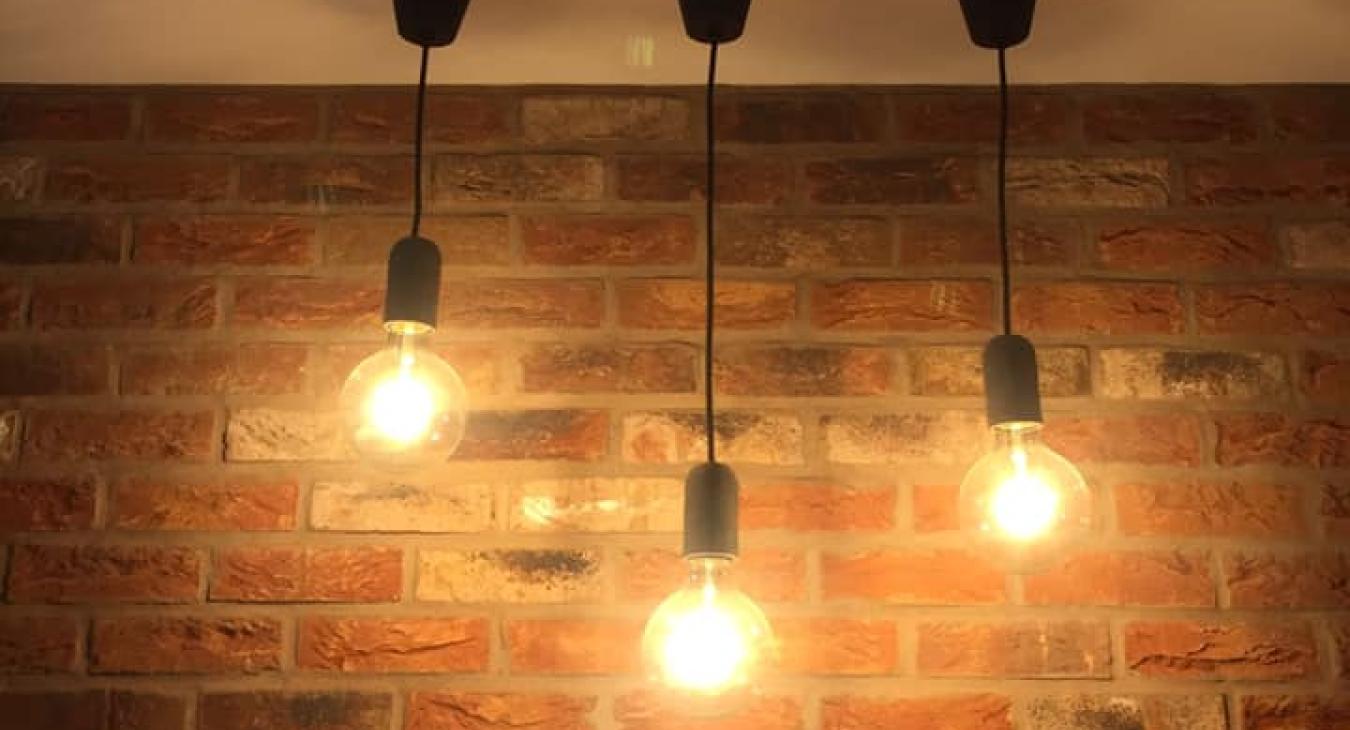

Yes. We install LED floodlights and a wide range of external lighting.
Yes. We install LED floodlights and a wide range of external lighting.
Yes. We install electric vehicle chargers.
Yes. We offer emergency fault-finding. As faults vary, this is charged at our hourly rate of £75 + VAT.
Yes. For most jobs, you will receive a certificate. Where required, we will also notify Building Control through the NICEIC.
Yes. We carry out small jobs such as changing a light switch, installing a new socket, or fitting a replacement light.
A Surge Protection Device protects your home and appliances from voltage spikes caused by lightning, power cuts, or issues on the electricity network. It safely diverts excess voltage away before it can cause damage and is recommended in most properties, especially where valuable electronics or smart technology are used.
An RCBO (Residual Current Breaker with Overcurrent Protection) combines the functions of both an RCD and a circuit breaker. It protects against electric shock, overloads, and short circuits. Because each circuit can have its own RCBO, faults are isolated more precisely, improving safety and convenience.
An RCD (Residual Current Device) is a life-saving safety device that protects you from electric shock. It constantly monitors the electrical circuits in your home and switches off the power if it detects something unsafe, such as electricity leaking to earth or a damaged cable. Modern consumer units include RCDs or RCBOs as standard.
Your fuseboard is the main safety device that protects your home’s electrical system. Modern consumer units include advanced safety devices that reduce the risk of electric shock and protect your appliances from surges.
Yes. One of our main services is replacing old fuseboards with new 18th Edition–compliant consumer units. These include RCBOs and surge protection as standard.
Yes. We install mains-wired smoke alarms as standard on all of our rewires.
We do our best to have everything back on each day, but there may be certain circuits that cannot be reinstated until later in the job. We prioritise essential circuits.
Yes. You will need to redecorate areas where we have chased walls or run new cables. We can recommend someone if needed.
Yes. We will need to access your loft during the rewire to install cabling. During the site survey, we’ll advise which areas need to be cleared.
You don’t have to move out, but staying elsewhere is often more comfortable and can help speed up the process.
Most 3-bedroom house rewires are completed in around 5 days. Larger properties or more complex rewires may take longer.
Yes. As an optional extra, we can quote for our trusted plasterer to make good on all chases and any damage caused during the rewire.
Yes. We will need to make chases in the walls for new cabling and back boxes.
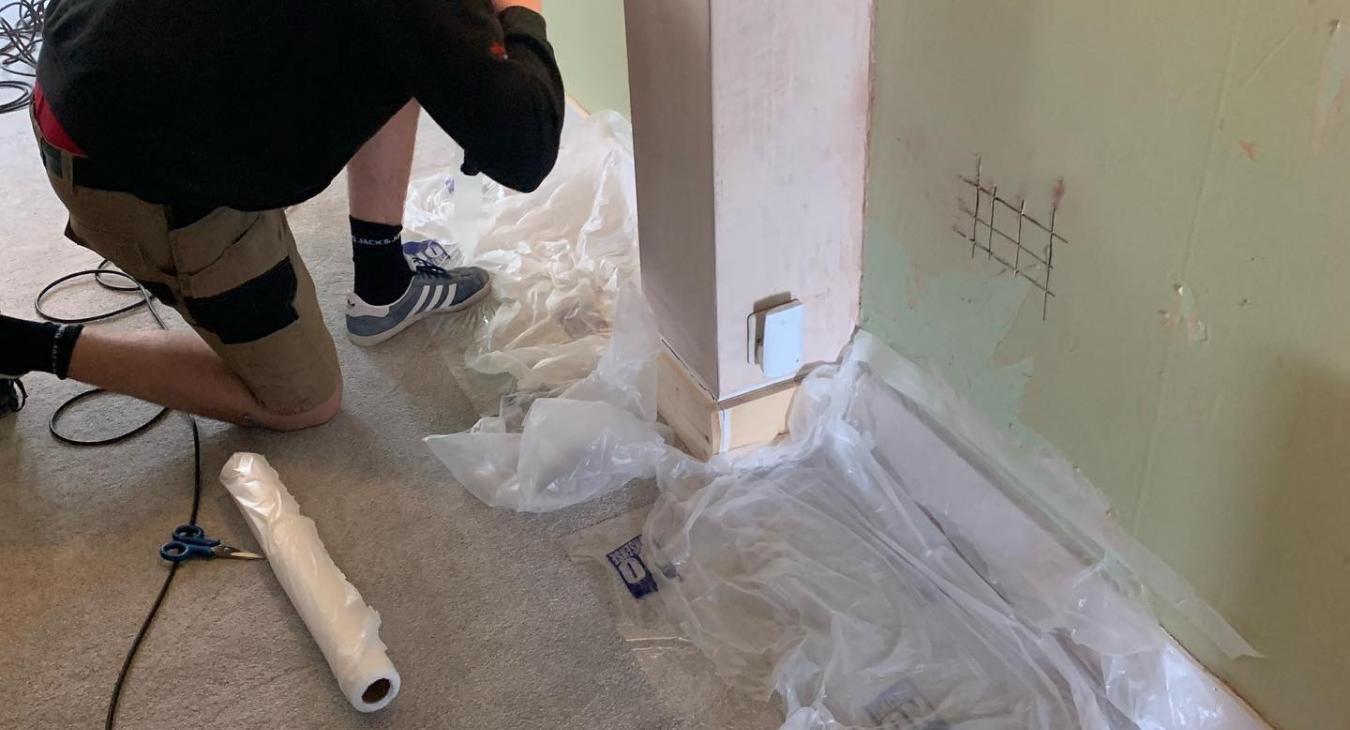
Yes. A rewire is a messy and disruptive job. We use protective coverings and dust extraction, but it is still a noisy and dusty process.
The cost depends on the size of your home, the number of sockets/lights, types of fittings, and the finish you choose. On average, a 3-bedroom house rewire costs between £5,500 – £8,000 + VAT. We provide a fixed quote after visiting the property.
Is my quote a fixed price? Yes. Your quote is fixed and will not change unless the agreed scope of works changes, in that case we would explain first and agree it with you.
Yes. We have £5 million public liability insurance and £5 million professional indemnity insurance.
Yes. We are registered with the NICEIC, which means all work is carried out to the latest wiring regulations. You also have the peace of mind of being backed by the NICEIC’s Platinum Promise.
Depending on the work being carried out, it may be necessary to isolate some or all of the power for a period. We will always let you know in advance.
Yes. We take a 50% deposit on any job over £300. This secures your chosen appointment in our diary.
No. We have a minimum charge of £75 + VAT (£90) which covers up to 1 hour on site at your home. This applies to most small jobs.